DIY vs Professional Pressure Washing: What You Need to Know
In This Article
The Allure of the Weekend Project
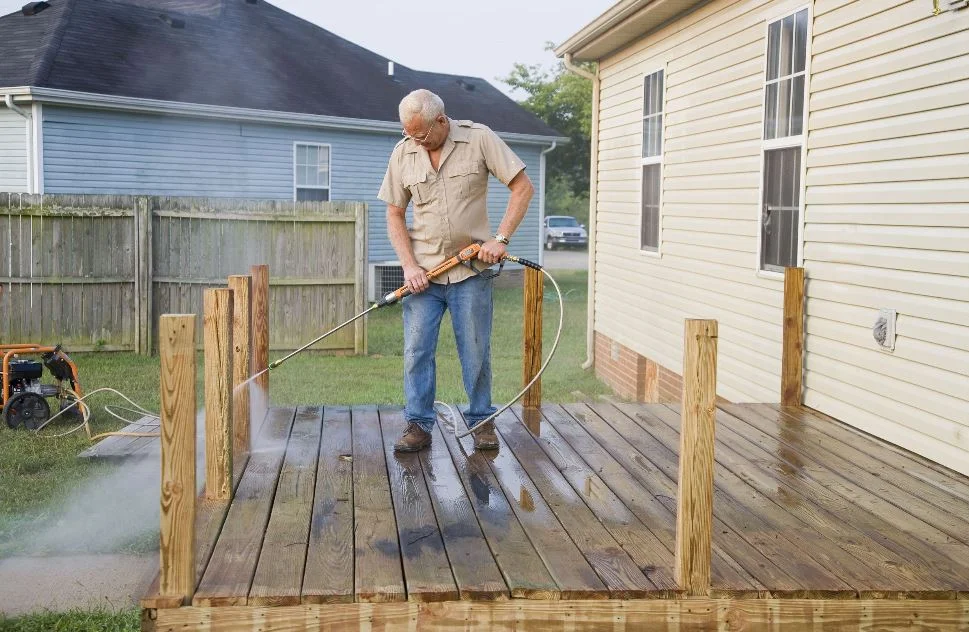
It seems easy: rent a machine, spray the house, and enjoy the results. Many homeowners see pressure washing as a simple way to save money and improve curb appeal. The promise of a "quick fix" on a Saturday morning is tempting.
However, pressure washing is deceptively complex. Using the wrong nozzle, pressure setting, or technique can result in thousands of dollars in irreversible damage to your property.
The Real Cost of "Doing It Yourself"
When you add up the rental fee, gas, detergent, and your own time, the "cheaper" DIY option starts to look expensive. But the monetary cost is only the tip of the iceberg. Here is what it really takes to get results comparable to a professional.
The Technical Reality: It's Not Just Water
Professionals don't just "pressure wash" - we utilize a science called Soft Washing. It's a chemical process that requires specialized knowledge. Simply blasting water at high pressure removes surface dirt but leaves the biological roots intact, meaning your house gets dirty again almost immediately.
- The "Dwell Time" Factor: Professional cleaning relies on chemical dwell time (letting the solution sit and kill the organic growth) followed by a rinse. Relying solely on pressure often leads to immediate re-growth.
- Chemical Handling: Getting the ratio of sodium hypochlorite (bleach), surfactants, and water correct is crucial. Too strong damages plants and siding; too weak fails to clean. Rental machines don't come with this expertise.
- Landscaping Protection: A pro knows how to "wet down" and protect plants from chemical burn before applying the solution. Doing this yourself often results in killing your expensive shrubs.
The Equipment Gap
Rental store machines are designed for occasional, light-duty use. They lack the flow rate (GPM) and heating capabilities of commercial units.
- Surface Cleaners: A 15-20 inch rotary surface cleaner is mandatory for large concrete areas to avoid "zebra striping" (permanent dark lines caused by the wand). These are rarely available for rent and require experience to use correctly.
- Extension Wands: To safely reach second stories, you need a carbon fiber extension pole. These cost hundreds of dollars and require skill to balance while managing the machine's kickback.
What We've Seen (The "It Looks Easy" Trap)
The rental video makes it look simple: point and spray. But without years of experience, you will likely make one of these costly mistakes:
- Zebra Striping: Holding the wand in one spot too long leaves permanent etching on concrete.
- Driving Water Behind Siding: Using high pressure on vinyl siding can force water up behind the panels, causing mold and rot inside your walls that you won't see until it's too late.
- Shingle Destruction: Using a rental machine (typically 3000+ PSI) on asphalt shingles strips the protective granules, drastically shortening the roof's life.
The Bottom Line
While DIY might work for a small concrete patio, a full home exterior is a complex system. The risk of permanent damage to your most expensive assets - your roof, siding, and foundation landscaping - far outweighs the few dollars saved.
The Risks of Damage
Consumer-grade machines are powerful - powerful enough to cause serious damage if not used perfectly.
- Siding Damage: Forcing water up into vinyl siding can trap moisture, leading to unseen mold behind walls.
- Etched Concrete: Using the "red tip" (zero-degree nozzle) can permanently etch lines into concrete, creating "zebra stripes."
- Window & Paint Damage: Blasting window seals or chipping paint off trim is a common DIY mishap.
- Landscaping Damage: High pressure can damage plants, flowers, and mulch.
Safety First
Pressure washers are not toys. They direct water at extreme pressure (1,500–4,000 PSI) - strong enough to strip flesh.
The Professional Advantage
Professionals invest in commercial-grade equipment capable of specialized treatments like Soft Washing. We use specific chemical ratios to treat the cause of the stain (algae/mold) rather than just blasting the top layer away.
- Commercial Equipment: Higher PSI and flow rates for a faster, more thorough clean.
- Insurance: Reputable companies are fully insured. If something goes wrong, they pay for the repairs.
- Experience: We know the difference between a pressure wash for concrete and a soft wash for vinyl.
- Warranty: Professionals often guarantee their work.
While DIY might work for a small concrete patio, a full home exterior is usually best left to the pros.
Choosing the Right Contractor
If you've decided to hire a professional, don't just choose the first name you see. Here is what to look for:
- Licensed & Insured: Always verify they carry liability insurance and workers' compensation.
- References: Ask for photos of previous work, especially similar homes.
- Equipment: Ask if they use a surface cleaner for large areas (prevents striping).
- Communication: A professional will explain the process and the chemicals they use.