
Removing Efflorescence from Masonry and Retaining Walls
In This Article
What is Efflorescence?
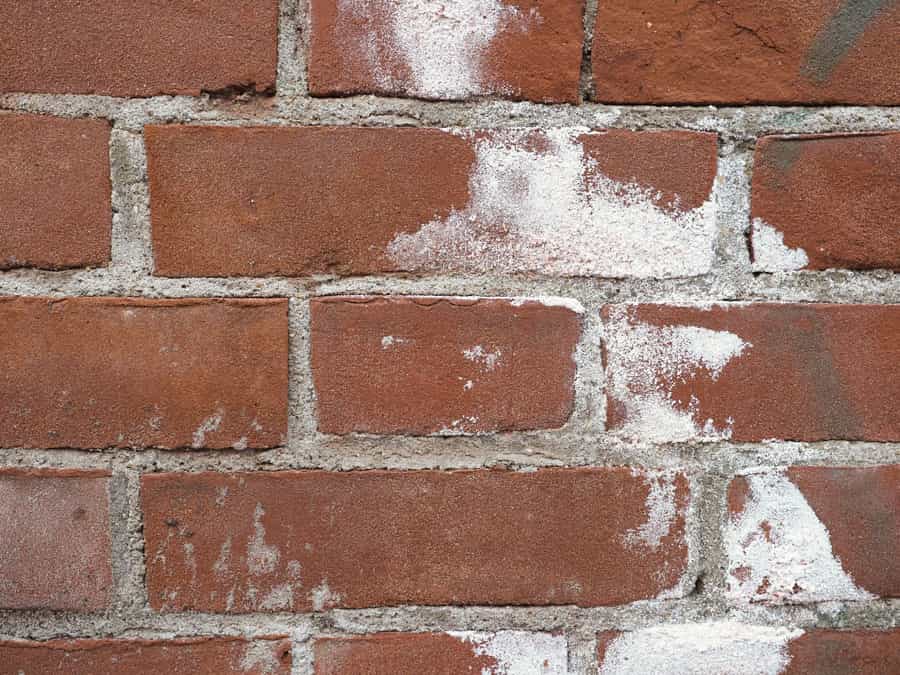
Efflorescence is a crystalline deposit of salts that migrate to the surface of masonry when moisture evaporates. It is a chemical stain, not dirt.
The process works like this: Rain or groundwater enters the masonry (brick, concrete, stone). This moisture dissolves the soluble salts (usually calcium carbonate or calcium sulfate) that are naturally present in the materials or in the mortar. As the moisture migrates to the surface to evaporate, it carries these salts with it. When the water evaporates, the salts are left behind, forming a white, crusty deposits.
It is not just an aesthetic issue; it indicates that water is moving through your wall, which can lead to structural damage over time.
The Acid Wash Protocol
Because efflorescence is a chemical bond (not just dirt), water alone won't remove it. Removing it requires specialized efflorescence removers (mild acid blends like diluted muriatic acid or phosphoric acid).
These chemicals dissolve the salt crystals, allowing them to be rinsed away. It is crucial to use the correct concentration - too strong, and you risk etching the brick face or leaving acid burns.
Unlike standard cleaning, this requires specific dwell time and neutralization steps. The acid must sit for a few minutes to react, but not dry on the surface. Then, it must be thoroughly rinsed and neutralized with a baking soda solution or water.
Preventing Its Return
Cleaning efflorescence is only half the battle. If you don't stop the moisture intrusion, it will come right back.
Once removed and the wall is completely dry, the stone must be sealed with a siloxane water repellent. Siloxane penetrates deep into the masonry pores, creating a breathable barrier that repels water while allowing moisture vapor to escape. This stops the efflorescence cycle completely.
Important: Do not seal the wall immediately after cleaning. Wait for a dry spell (2-3 days of sunshine) to ensure all moisture is out of the wall.
Why Pressure Washing Fails
Using a pressure washer on efflorescence is a common mistake that makes things much worse.
High-pressure water forces salts deeper into the substrate instead of removing them. When that trapped moisture later evaporates, it brings even more salts to the surface, leading to "secondary efflorescence" that reappears even stronger a week later.
It is a temporary fix that guarantees a bigger problem later.